
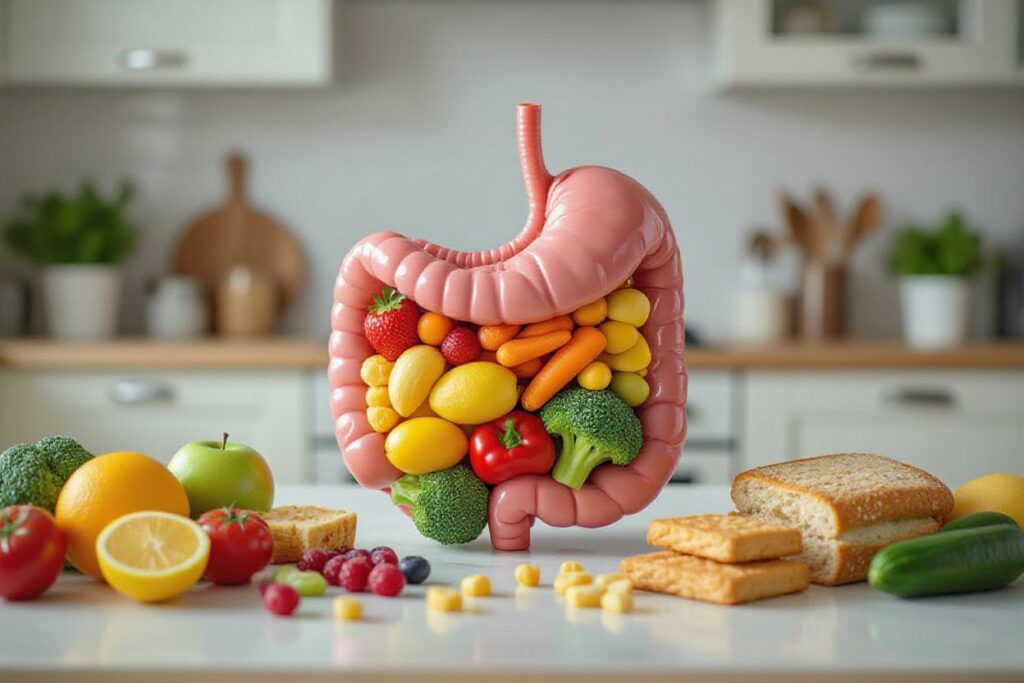
With all the talk about “chemical imbalance,” have you ever wondered if your depression might actually be coming from somewhere else in your body – like your gut? You’re not imagining it if your low mood shows up with brain fog, digestive chaos, or that heavy, inflamed feeling that never really lifts. Emerging research is revealing that neuroinflammation and a damaged gut can drive your depression symptoms, which means you’re not broken… your system is just on fire and your gut may be the one holding the match.
Key Takeaways:
- Depression might not be a random brain glitch for you – it can actually be your body’s alarm system screaming that your gut and immune system are inflamed, which then lights that “brain on fire” feeling that shows up as fatigue, numbness, and that heavy gray emotional fog.
- Your gut isn’t just some food tube, it’s wired to your brain through the vagus nerve, packed with its own neurons, and leaking bacterial toxins like LPS into your bloodstream can trigger body-wide inflammation that quietly shifts your mood, energy, and ability to feel pleasure.
- One of the most powerful ways to start shifting out of depression isn’t another stronger pill, it’s calming your nervous system so your body can actually digest and repair – simple things like taking a few slow belly breaths before you eat can start cooling the inflammatory fire that’s been driving your symptoms from the inside out.
What If It’s Not Just Your Brain?
You start to see that your “mental” symptoms are really full-body smoke signals from a system on fire. When researchers inject LPS into healthy volunteers, up to 50% develop depression-like symptoms within hours – same exhaustion, same emptiness, same social withdrawal you know too well. So instead of blaming your personality, you can start asking a different question: what if your gut, your immune system, your nerves have been screaming for help this whole time?
The Science Behind the Myth
In real life, you see this gut-brain link play out everywhere. People with IBS are up to 3 times more likely to struggle with anxiety or depression. In one 2016 trial, a specific probiotic combo reduced psychological distress scores by 50% in just 30 days. When you change the gut bacteria, inflammatory markers like CRP and IL-6 drop, and mood often lifts right alongside them – not magic, just biology doing what it’s wired to do.
Why You’ve Been Misinformed
Instead of being given this full-body picture, you were handed a neat little serotonin story that fit nicely into a 30-second commercial. Drug reps flooded doctors’ offices, glossy pamphlets simplified decades of messy science into “low serotonin = sad”, and whole medical systems built protocols around it. You weren’t crazy for believing it – you were just sold a half-truth that conveniently pointed you toward a prescription, not your gut.
Medical schools barely touched nutrition, microbiome science was in its infancy until the 2000s, and nobody was paying doctors to talk to you about leaky gut or LPS-triggered inflammation. Insurance companies reimbursed 15-minute visits and quick scripts, not 60-minute deep dives into your stress load, sleep, and digestion. So you got a label, a pill, and a chemical-imbalance story, while emerging data on neuroinflammation and gut health sat in journals your doctor realistically didn’t have time to read. You weren’t just under-informed – you were trained to see your brain as the villain, instead of a victim of a body that’s been under attack for years.
Gut Feelings: Why Your Stomach Holds the Key
Your gut is not just along for the ride, it’s driving the whole mood show from the front seat. When your microbiome tips out of balance – too much sugar, antibiotics, chronic stress – you don’t just get bloating, you get sadness, rage, apathy. In one 2016 trial, people taking specific probiotic strains had a 50% reduction in depression scores compared to placebo. That’s not “in your head.” That’s bacteria, food, and inflammation rewriting your emotional life from the inside out.
The Gut-Brain Connection
Every time your stomach drops before a hard conversation, you experience your gut-brain connection in real time. Through the vagus nerve, your gut sends about 80% of the traffic up to your brain, not the other way around, constantly updating it on safety, nutrients, and inflammation status. When damage occurs to your gut lining, those signals flip from “you’re good” to “you’re under attack,” which your brain interprets as anxiety, irritability, and that flat, washed-out feeling you keep blaming on willpower.
Exploring Neuroinflammation
What’s wild is that when researchers inject tiny amounts of bacterial toxins like LPS into healthy volunteers, within hours they develop classic depression symptoms: fatigue, low mood, social withdrawal. Brain scans show microglia – your brain’s immune cells – lighting up like a city grid in a storm, dumping inflammatory cytokines such as IL-6 and TNF-alpha. If your gut is leaking this stuff into your blood every day, you’re basically getting a slow, silent version of that experiment 24/7.
In practical terms, neuroinflammation occurs when your gut keeps flipping the “danger” switch, and your brain has no off button. You might notice it as that wired-but-tired state at 11 p.m., or the way your thoughts skew negative for no logical reason, or how a tiny stressor hits like a truck.
Studies show people with depression have up to 30% higher levels of inflammatory markers like CRP and IL-6, and the most inflamed often feel the most hopeless. “Immune signals from your intestines affect your brain chemistry.” When you target that gut-driven inflammation, you’re not just “supporting mood,” you’re literally cooling down the brain fire that’s been hijacking your personality.

What Really Sparks the Flame?
You now understand that the fire is real, so the next question is straightforward yet challenging: what is igniting the match in your life? For many people, it isn’t just a single, dramatic trauma; rather, it is a gradual accumulation of various factors. These include ultra-processed foods, fluctuations in blood sugar levels, daily spikes in stress, a “normal” of just 5 hours of sleep, and a microbiome significantly affected by antibiotics and chemicals. Each of these factors contributes to damaging your gut lining, allowing more lipopolysaccharides (LPS) to leak into your system, and quietly training your immune system to remain in attack mode throughout the day.
The Truth About Your Diet
Every time you grab that “harmless” fast-food lunch or sip a 32-ounce sugary drink, you’re feeding the exact microbes that thrive on chaos and pump out inflammatory toxins. Studies show people eating a typical Western diet have up to 30% fewer beneficial gut species and higher rates of depression. You feel it as mood crashes, 3 pm brain fog, and that weird-but-tired insomnia that makes you dread the next day before it even starts.
Stress: The Unseen Villain
Chronic stress is the quiet saboteur that keeps your gut from ever healing, even if your diet is on point. Cortisol spikes can alter your microbiome in as little as 48 hours, tighten your chest, and literally slow blood flow to your digestive system. You experience this as nausea before hard conversations, bathroom emergencies before big meetings, or lying awake at 2 am with your heart racing and your stomach in knots.
What makes stress especially sinister is that your body can’t tell the difference between an actual car crash and an angry email from your boss – your gut reacts the same way. Research on caregivers and people in high-burnout jobs shows chronic stress increases intestinal permeability, raises circulating LPS, and drives higher levels of inflammatory markers like CRP and IL-6, all of which track with worse depression scores. You might notice more bloating, random food sensitivities, or skin flares at the exact seasons when life feels “too much,” and that isn’t in your head, that’s your vagus nerve broadcasting distress signals through your whole system until your mood finally collapses under the weight.

So, What’s the Game Plan?
Instead of throwing more meds at your brain, you start cooling the fire in your gut and calming your nervous system at the same time.
You build a daily stack: slow breathing before meals, 10-15 minutes of real food, and one non-negotiable sleep window where you’re in bed at the same time each night.
You’re not chasing perfection here; you’re creating conditions where your gut can heal, inflammation can drop, and your mood finally has a fighting chance.
New Strategies for Healing
Rather than obsessing over a perfect diet, you focus on inputs that directly change your biology: fiber-rich plants that feed your microbiome, polyphenol-heavy foods like berries and olive oil, and short daily practices that flip you into “rest-and-digest”. You start noticing patterns – how 3 nights of poor sleep spike your anxiety, how a single ultra-processed binge can flatten your mood for 48 hours – and you use that data to build a plan that actually fits your life, not someone’s Instagram routine.
The Power of the Vagus Nerve
Think of your vagus nerve as the volume knob on your brain’s alarm system: turn it up, and inflammation, heart rate, and anxiety come down. Simple things you can do today – humming for 5 minutes, splashing your face with cold water, longer exhales, gentle yoga after work – all send safety signals from your gut to your brain. In clinical studies, people with higher vagal tone have lower rates of depression, better blood sugar control, and even stronger immune responses.
What makes the vagus nerve so wild is how trainable it is, almost like a muscle you’ve ignored for years that suddenly wakes up once you use it. In one study on heart rate variability (a key marker of vagal tone), people who practiced slow breathing and humming for just 15 minutes a day saw measurable shifts within 2 weeks, and mood scores followed right behind.
You may first notice improvements in your digestion, such as reduced bloating and less urgency after meals. Then, you might find that your sleep becomes deeper. Eventually, you will realize that the familiar 3 PM slump you used to experience no longer affects you. This isn’t just a placebo effect; it’s a rewired gut-brain connection, facilitated by a nerve that is finally functioning as it should—informing your brain that you feel safe enough to heal.
My Take on Simple Fixes That Actually Work
In one 2017 trial, just 10 minutes a day of slow breathing dropped inflammatory markers by up to 20% in 4 weeks, so let’s keep it that simple: you stack tiny habits. Before coffee, you drink a big glass of water with a pinch of salt and a squeeze of lemon to support stomach acid and vagal tone. At lunch, you eat one fist-sized serving of real fiber (like beans or cooked oats). At night, you guard a strict 7-hour sleep window – phone out of the bedroom, lights low. Nothing fancy, just consistent nervous-system safety signals, meal after meal, day after day.
Why Your Depression Might Actually Be a Gut Problem
Why I Think You Deserve to Feel Better
About 1 in 5 people will experience major depression at some point in their lives. However, others may have treated you as if the problem lies with you, rather than understanding the biological factors at play. You deserve better because your symptoms actually represent rational responses to issues like inflammation, leaky gut, and an overwhelmed nervous system—not a sign of moral failure. You’ve managed to get out of bed, go to work, and care for others even when you felt exhausted. That determination shows that your body fights to heal. If your gut health can improve in as little as 4 to 6 weeks, then your situation can change for the better as well.
To wrap up
As a reminder, you’re not “broken” or destined to feel this way forever – your depression might be your gut waving a giant red flag, not your brain failing you. When you start viewing your mood through the lens of gut health and inflammation, the science suddenly backs your lived experience; studies like Gut Microbiota in Anxiety and Depression – PubMed Central show exactly that. So your job now isn’t to blame yourself, it’s to support your gut, calm your nervous system, and let your body do what it’s wired to do.
FAQ
Q: How could my gut possibly have anything to do with depression in the first place?
A: Over the past few years, you’ve probably seen headlines about the “gut-brain axis” popping up everywhere, and that’s not just clickbait. Your gut is loaded with more than 100 million neurons and is constantly chatting with your brain through the vagus nerve, sending status updates about inflammation, nutrients, and even threats in your environment. When that gut environment gets inflamed or disrupted, your brain feels it, often as fatigue, brain fog, and depressive symptoms.
Here’s the wild part: inflammatory molecules from your gut, especially LPS from certain bacteria, can leak into your bloodstream when your gut barrier is damaged. Once they slip through and your immune system freaks out, the resulting inflammation can reach your brain and spark neuroinflammation, which looks and feels a lot like classic depression. So what feels like a purely “mental” struggle can actually be your body’s very logical response to an inflamed, overwhelmed gut.
Q: If depression is linked to gut-driven inflammation, does that mean my antidepressants are useless?
A: Not necessarily, and this is where nuance is crucial. Antidepressants have definitely helped some people function better, and if you take them, it doesn’t mean you’ve done anything wrong or that your experience lacks validity. Recent research, particularly the significant umbrella review from 2022, indicates that the old narrative of “you’re depressed because you have low serotonin” doesn’t actually hold up when researchers examine all the data comprehensively.
So antidepressants might still change how your brain processes signals and symptoms, and for some folks, that relief is worth gold, but they’re often acting more like a bandage than a root-cause solution. If your gut is leaking inflammatory molecules into your bloodstream and lighting up your brain’s immune system, just tweaking brain chemistry without cooling the fire in your body can feel like trying to silence a smoke alarm while the kitchen’s still burning. It’s not about throwing meds in the trash, it’s about expanding the focus to include healing your gut and calming systemic inflammation so your brain is not constantly under siege.
Q: What are some real-world signs my depression might be coming from my gut, and what can I actually start doing today?
A: A few body clues tend to show up together when the gut plays a role in the picture: you might notice bloating, reflux, IBS-type symptoms, random food sensitivities, skin flares, or that “puffy, inflamed” feeling along with your low mood. Add in brain fog, feeling wiped out after meals, or mood dips that track suspiciously closely with what and how you eat, and the odds go up that your gut contributes at least part of the story. People will often say, “I feel like I’m walking around in a foggy, heavy suit,” and that combo of physical and emotional drag strongly hints that your nervous system and gut have locked into a stress-inflammation loop.
In terms of action, the first move is not to overhaul your whole diet overnight, it’s to get your body into a state where it can actually digest and repair. That’s why a simple, intentional pre-meal ritual like sitting down, putting your phone away, and taking 5 deep, slow belly breaths is a powerful place to start, because it flips you into “rest and digest” mode and signals safety to your vagus nerve. From there, you can build on that foundation with things like reducing ultra-processed foods, supporting sleep, and lowering daily stress load, but that tiny breathing practice before you eat is often the first domino that lets your gut, and eventually your mood, start to shift.
Check this post for more information about the lie of the Food Pyramid.
