

Deception probably started for you in a brightly colored classroom poster, right? You were told that giant base of bread and cereal was your healthy foundation and that fat sat up there in the tiny triangle of shame. You followed the chart, loaded your plate with pasta, skipped the butter, felt hungry an hour later, and figured it was your fault, not the system. But your body was quietly paying the price, because that friendly Food Pyramid was really a metabolic trap, not a roadmap to lifelong health.
Key Takeaways:
- The wildest part is that the Food Pyramid wasn’t really about health at all – it was about politics, cheap crops, and bad science getting married. It took a cherry-picked fear of fat, mixed it with massive agricultural lobbying, and turned it into that neat little triangle we all saw in school, pushing us toward mountains of bread and cereal instead of real, nutrient-dense food.
- The fallout has been brutal: stuffing the base of our diet with 6-11 servings of carbs basically trained our bodies to live on a blood sugar roller coaster. Swapping butter, eggs, and natural fats for low-fat, sugary, grain-heavy products helped drive obesity, Type 2 diabetes, and metabolic issues into the stratosphere, all while we were patting ourselves on the back for “eating healthy.”
- The better model flips the whole thing on its head – make quality protein and healthy fats your base, pile on non-starchy veggies, then sprinkle in fruit, nuts, and seeds, while keeping refined grains, sugar, and industrial seed oils on the chopping block. It’s less some trendy new hack and more like going back to how humans actually ate before food companies and government guidelines hijacked the grocery cart.
The Origins of the Food Pyramid: What Were They Thinking?
You’d think a national nutrition guide would start with clean science, but your Food Pyramid basically started as a way to move mountains of cheap grain. In 1977, the first federal dietary goals quietly pivoted you toward high-carb, low-fat eating, just as US grain production and subsidies exploded. Instead of asking what kept you lean and healthy, committees asked how to fit wheat, corn, and soy onto your plate, three times a day, without freaking you out.
A Look Back at Ancel Keys and His Study
What really twists the knife is that so much of your “don’t eat fat” indoctrination traces back to one charismatic researcher, Ancel Keys, and his Seven Countries Study. Out of 22 countries, he highlighted 7 that fit his preferred story that saturated fat equals heart disease. You never saw the countries that didn’t fit, you just got the simplified mantra: cut fat, load up on carbs, trust the experts.
How Politics Trumped Science
By the time the Food Pyramid hit in 1992, your plate wasn’t being shaped in labs, it was being shaped in conference rooms. Lobbyists from the grain, sugar, and processed food industries swarmed the USDA, fighting over every word and graphic. You ended up with “6-11 servings of grains” at the base, while unprocessed fats and animal protein got pushed into the shadows like they were some fringe hobby.
So when you see that old Pyramid now, you’re basically looking at a negotiated truce between profit streams, not a roadmap for your health. In 1977, the Senate’s McGovern Committee warned Americans to cut animal fat, while behind closed doors cattle, dairy, and grain groups all battled to avoid landing in the “eat less” category. Guess what happened next? Language got watered down, “whole grains” quietly morphed into refined carbs in cereal boxes, and the food giants rolled out low-fat products packed with sugar because they knew you’d trust anything with a government-approved shape printed on it.
The Carb Overload: Why We Got It All Wrong
Once you realize the base of your “healthy” diet was basically a carb buffet, it hits differently: 6-11 servings of bread, pasta, cereal and rice kept your blood sugar on a rollercoaster while foods that stabilize energy got pushed aside. You were nudged toward bagels and orange juice at breakfast, pasta at lunch, and rice at dinner, all stamped as virtuous by the Pyramid and echoed in pieces like The Food Pyramid is a Lie – Here’s Why – PEA, while early signs of insulin resistance quietly stacked up.
The Low-Fat Madness: What Were We Eating?
Instead of real food, you got stuck in a low-fat funhouse: fat-free yogurt loaded with sugar, margarine instead of butter, reduced-fat cookies that somehow tasted sweeter than candy. In the 90s, supermarket shelves exploded with “light” and “cholesterol-free” labels, yet by 2000 obesity rates in US adults had nearly doubled from the 1970s. You thought you were being healthy, but you were trading satisfying fat for blood sugar spikes, cravings, and constant hunger.
The Sneaky Sugars and Grains That Took Over
Behind every “healthy” carb, there was usually a hidden sugar hit: whole-grain cereals with 10-15 grams of sugar per serving, granola bars built on corn syrup, sports drinks marketed as necessary fuel. Instead of fueling you slowly, this combo of refined grains and added sugars acted like kindling on a fire, burning hot then crashing hard, so you kept reaching for more snacks, more caffeine, more carbs just to feel normal.
What makes this even wilder is how normalized it became in your daily routine: a “balanced” breakfast might have been low-fat milk over cereal, plus juice and maybe toast, which could easily top 60-80 grams of carbohydrate before 9 a.m. alone. By lunch, a turkey sandwich on soft wheat bread, baked chips, and a “healthy” yogurt pushed your insulin even higher, training your body to depend on constant carb hits instead of tapping into stored fat. Over time, that pattern is exactly what research now links to higher triglycerides, fatty liver in teens, and that stubborn belly fat that seems to show up out of nowhere and refuses to leave, even when you swear you’re “eating healthy.”
The Fallout: Is This Why We’re So Sick?
So if you grew up thinking a mountain of carbs was “balanced,” is it really a shock that your body is struggling now? Since the early 90s, adult obesity in the US has jumped from about 23% to over 42%, and Type 2 diabetes has more than doubled. You were told to cut fat, load up on grains, and trust the experts… yet your energy crashed, your waistline grew, and your labs got worse. That isn’t bad luck – it’s cause and effect.
Rising Obesity and Chronic Disease: Coincidence?
When you zoom out on the timelines, it gets uncomfortable fast: low-fat guidelines hit in the late 70s, the Food Pyramid locked in by 1992, and within a couple decades obesity and Type 2 diabetes curves go almost vertical. In 1980, less than 3% of US adults had diagnosed diabetes; now it’s over 11%, with another third of adults prediabetic. You didn’t “suddenly” lose willpower – the entire system stacked the deck against your metabolism.
How Insulin Resistance Became the New Normal
What actually happened inside your body when you followed that Pyramid wasn’t mysterious at all: every bagel, low-fat muffin, and “heart healthy” cereal hit your bloodstream as sugar, insulin spiked, then never really got a break. Over time, your cells stopped listening to insulin’s knock at the door, so your pancreas shouted louder by pumping out more. That chronic traffic jam of glucose and insulin is what we label “insulin resistance” – and yep, it was practically baked into your old food rules.
Because you were told to graze all day on carbs, you probably trained your metabolism to live in permanent snack mode: breakfast cereal at 7, granola bar at 10, sandwich with chips at 1, latte at 3, pasta at 7, dessert at 9… that’s 14+ hours where insulin barely gets to fall. In studies, populations eating this way show fasting insulin 2-3 times higher than those on lower-carb, whole food diets, even with the same calories. And this isn’t just about blood sugar; insulin is a fat-storage hormone, so high insulin says “store” not “burn.” No wonder you can eat less, do more cardio, and still struggle – your biology was reprogrammed to defend fat storage, not fat loss.

Time for a Change: Flipping the Food Pyramid
If you keep following the old pyramid, you’ll keep getting the old results – so you flip it. You put healthy fats and protein at the base so your blood sugar stays steady instead of spiking 8 times a day. You load your plate with non-starchy veggies, then keep fruit, nuts, and treats as accents, not center stage. You treat refined grains and seed oils like cigarettes for your metabolism – yeah, that serious.
What Really Should Be on Our Plates
You start by building every meal around 20-40 grams of quality protein and a solid hit of natural fat, then fill the rest with colorful veggies. You might do eggs cooked in butter, salmon with olive oil, or grass-fed beef with a huge salad and avocado. You keep sugars under control, especially liquid sugar, because you’ve seen what constant insulin spikes do to your waistline, energy, and mood.
Rediscovering Traditional Fats and Whole Foods
Instead of fearing fat, you bring back butter, tallow, ghee, extra-virgin olive oil, and egg yolks, while kicking out canola, soybean, and corn oil. You lean on whole foods your great-grandparents would recognize: meat on the bone, fermented dairy, seasonal veggies, simple starches when your body can handle them. You’re not counting calories every second – you’re choosing foods that naturally keep you full and energized.
What’s wild is that when you swap industrial seed oils for traditional fats, your biomarkers often shift fast – triglycerides drop, HDL climbs, inflammation markers like hs-CRP improve. In a 12-week low-carb, high-fat intervention, people with fatty liver saw liver fat cut by up to 30-40% while eating more butter and olive oil, not less. You feel the difference too: fewer crashes, better focus, joints that don’t ache as much after a long day. And because these foods are more nutrient-dense, you’re not grazing every two hours like the snack aisle told you to – you eat, you feel satisfied, you move on with your life.
My Take on Real Nutrition: It’s Simpler Than You Think
In a world where every week there’s a new “miracle” diet trending on TikTok, you actually come out ahead by going basic: prioritize protein, healthy fats, and real food you can recognize without a chemistry degree. You stack your plate with eggs, meat, fish, full-fat dairy if you tolerate it, seasonal veg, some fruit, maybe some properly prepared grains or legumes if your blood sugar behaves, and you treat ultra-processed food like the occasional guest, not the landlord. And then along came the now-debunked food pyramid that flipped that logic and your health upside down.
Listening to Your Body, Not Just Diet Trends
Instead of blindly copying whatever your favorite influencer eats, you start tracking what actually happens in your body: how your energy, mood, sleep, digestion, and blood sugar respond to specific foods. You might notice that 80 grams of protein keeps you full for 6 hours, while a “healthy” granola breakfast has you raiding the pantry by 10 a.m. Using simple tools like a food journal, a glucose monitor, or even step-by-step photos of your meals, you build your own data, not someone else’s fantasy.
Embracing Variety for a Healthier Life
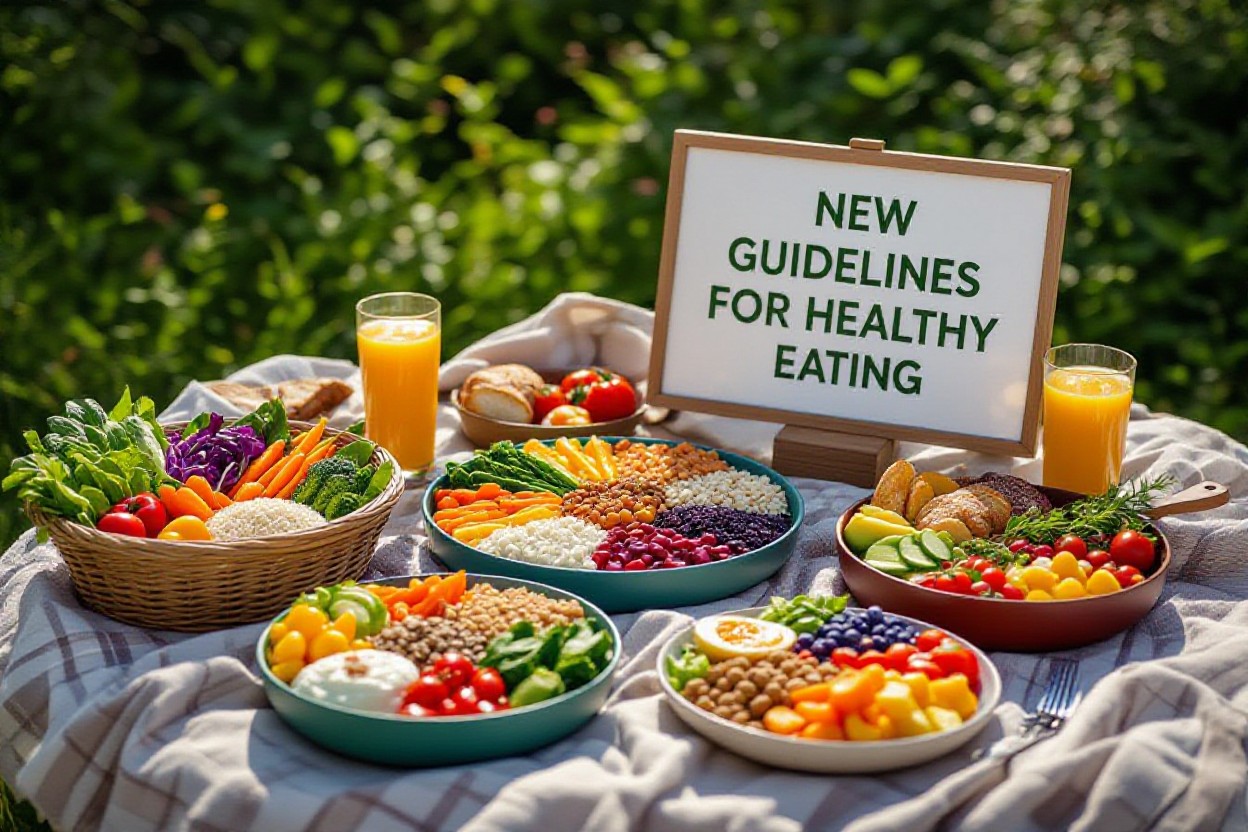
Instead of rotating the same 5 “safe” foods on repeat, you start playing with variety: 30 different plant foods a week, 2 or 3 protein sources, and at least 3 colors on your plate most days, which research from the American Gut Project links to better microbiome diversity and lower inflammation. You throw in sardines once a week, swap iceberg for arugula, try purple cabbage, add herbs like parsley and cilantro, and suddenly your “diet” feels less like punishment and more like real living, with your cells getting the raw materials they’ve been begging for.
What really moves the needle with variety is how it quietly fixes the gaps the Food Pyramid created in your body over the last few decades. When you go from beige-on-beige meals (pasta, bread, cereal) to colorful, mixed plates, you feed different bacteria in your gut, which in turn produce short-chain fatty acids that improve insulin sensitivity, reduce gut permeability, and support your immune system. You’re not just checking a “eat more vegetables” box, you’re deliberately mixing animal proteins like beef, salmon, eggs, and lamb with fiber-rich plants, fermented foods like kefir or sauerkraut, and healthy fats like olive oil and avocado so your nutrient profile stops looking like a desert and starts looking like a rainforest. Over a few months, labs often shift: triglycerides drop, HDL climbs, liver enzymes calm down, and your cravings for ultra-processed carbs loosen their grip, not because you suddenly developed more willpower, but because your biology finally has what it needs.
The Journey Ahead: Let’s Redefine Healthy Eating
Everywhere you look now, you see people tracking protein, cutting seed oils, joining CSA boxes – you’re not crazy, the tide is turning. You’re moving from a “low-fat, high-carb” script to a high-protein, nutrient-dense, low-junk model that actually stabilizes your blood sugar. Instead of chasing calories, you start chasing food quality, ingredient lists, and how you feel 2 hours after a meal. This isn’t a 30-day challenge, it’s you quietly opting out of a food system that hasn’t had your back for decades.
How to Transition Away from Processed Foods
Start with one swap at a time so your brain doesn’t freak out: upgrade breakfast first, then snacks, then dinners. You replace boxed cereal with eggs, leftover meat, or Greek yogurt, chips with nuts or cheese, soda with mineral water. Read labels like a detective and ditch anything with more than 5-7 ingredients, seed oils, or added sugars. Batch-cook protein twice a week so it’s easier to grab steak or chicken than a frozen pizza, and your “emergencies” stop being drive-thru runs.
Building a Community Around Real Food
Instead of trying to white-knuckle this alone, you start pulling other people into your real-food orbit – family, friends, coworkers who are tired of being tired. You share simple wins: blood work improving in 3 months, 10 pounds gone without counting calories, or joint pain easing once you cut seed oils. Group chats swap lunch pics, farmers’ market finds, and screenshots of absurd “heart healthy” cereal labels. Community slowly becomes your accountability system and your shield against the processed food noise.
In practice, that community might look like you and two coworkers starting a “real lunch club” where you rotate bringing home-cooked food twice a week, or a WhatsApp group where five parents trade kid-approved, low-sugar snacks that don’t come in cartoon boxes. Maybe it’s you joining a local regenerative farm’s CSA and splitting the box with neighbors, learning together what to do with 3 pounds of beef shanks or a pile of beets. Over time, those tiny collaborations create a network effect: potlucks turn into real-food dinner parties, your group ditches seed oils at restaurants, and suddenly you’re not the “weird healthy one” anymore – you’re just part of a small, stubborn tribe quietly opting for steak and vegetables over another night of ultra-processed beige food.
Summing up
Upon reflecting on how nutrition podcasts and TikTok health gurus are suddenly trashing the old Food Pyramid, you can probably see why this shift is happening – you were sold a comforting story that quietly wrecked your metabolism. You based your “healthy” choices on a chart designed around politics, profits, and cheap carbs, not your long-term health. Now you get to flip that script: prioritize real food, healthy fats, solid protein, and veggies, while treating sugar, refined grains, and industrial oils like the red flags they really are. Your future health sits on what you choose next.
FAQ
Q: How did the original Food Pyramid end up pushing so many carbs and almost no fat?
A: Picture a government committee room in the late 70s and early 80s, stacks of papers, lobbyists hovering in the background, and everyone terrified of saturated fat. That fear didn’t come out of nowhere – it was largely driven by Ancel Keys and the Seven Countries Study, which basically linked fat to heart disease while quietly ignoring countries that didn’t fit the narrative.
Once “fat is bad” became the headline, policymakers had to replace those calories with something, and guess what was cheap, abundant, and politically convenient? Grains. Wheat, corn, rice – all heavily subsidized, all fantastic for the agricultural industry. So instead of saying “eat real food, in reasonable amounts,” the Pyramid said “base your entire diet on 6-11 servings of bread, cereal, rice, and pasta.” Fat got pushed to the tiny top, like a guilty pleasure, not a core nutrient.
Food companies jumped on it instantly. Low-fat yogurt, low-fat cookies, low-fat everything. They stripped out fat (which gives flavor and satiety) and pumped in sugar, refined starches, and weird additives so it would still taste like something you’d actually swallow. The result wasn’t a science-based guide to health – it was a pretty poster that lined up perfectly with big agriculture and big food profits.
Q: What kinds of health problems did following the Food Pyramid actually contribute to?
A: If you grew up eating big bowls of cereal for breakfast, pasta or sandwiches for lunch, then more bread or rice at dinner, your pantry basically looked like a shrine to the bottom tier of the Food Pyramid. That constant drip-drip-drip of carbs, all day, every day, keeps your blood sugar and insulin bouncing around like a yo-yo.
Over time, that pattern drives insulin resistance, which sits at the center of so many modern problems: obesity, Type 2 Diabetes, fatty liver, metabolic syndrome, high triglycerides, and that stubborn belly fat that just hangs on no matter how “low fat” you try to eat. Pair that with the swap from traditional fats (butter, tallow, lard, egg yolks) to industrial seed oils (soybean, corn, canola) and you’ve got a recipe for inflammation and oxidative stress running quietly in the background of your life.
So instead of creating a lean, heart-healthy, carb-fueled population, the Pyramid set us up for chronic disease. We were told to avoid steak and eggs, then handed fat-free muffins and sugary breakfast cereals with a health halo. The irony is painful: the poster that was supposed to keep us safe ended up helping drive the very conditions it claimed to protect us from.
Q: If the Food Pyramid was a mess, what does a healthier “flipped pyramid” actually look like in real life?
A: Imagine taking the old Pyramid, grabbing it by the base, and flipping it upside down on your kitchen counter. Instead of stacks of bread and pasta at the bottom, your foundation becomes protein and healthy fats: eggs, fatty fish, grass-fed beef, chicken thighs with the skin, olive oil, avocado, grass-fed butter, ghee, maybe some full-fat yogurt if you tolerate dairy.
On top of that base, you pile non-starchy vegetables: leafy greens, broccoli, cauliflower, asparagus, cucumbers, zucchini, peppers, cabbage. Big colorful salads, roasted veggies, stir-fries cooked in real fat – not sprayed with canola oil out of a can. Then, closer to the top, you add reasonable portions of fruit (especially berries), nuts, and seeds. These are more like nutrient boosters, not the main event.
Right at the tiny tip is the stuff that used to dominate our plates: refined grains, sugary snacks, sweetened drinks, and industrial seed oils hiding in packaged foods. Those move into the “rarely, if ever” category. The vibe shifts from “how do I avoid fat” to “how do I base my meals around real, satisfying food that keeps my blood sugar stable and my metabolism calm.” In practice, it feels a lot more like traditional ways of eating and a lot less like the low-fat, high-carb experiment we all got drafted into without consent.
